Is CrossFit Actually Healthy?
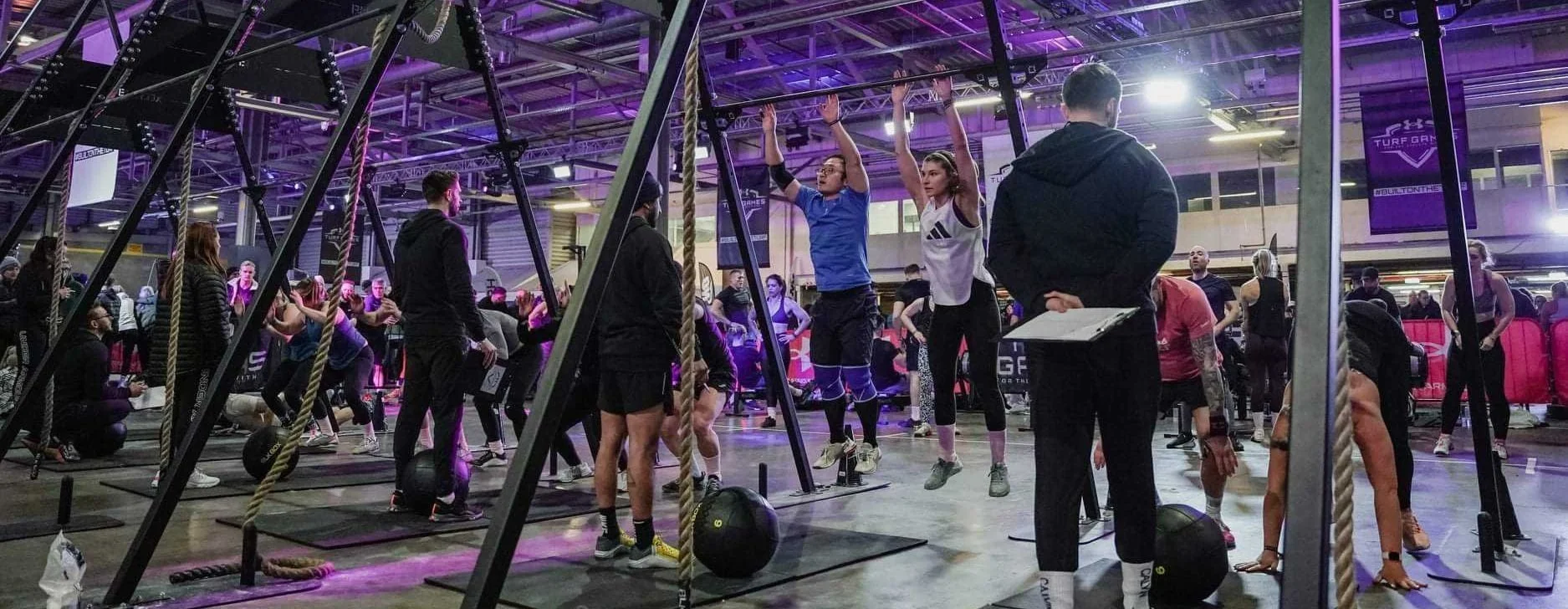
You've seen the videos.
Someone dropping from a pull up bar. Hands torn. Breathing like they just surfaced from drowning. Collapsing in a heap while someone with a camera cheers them on.
And you're supposed to believe that's healthy?
Fair question.
Here's the truth. CrossFit is healthy when coached well and unhealthy when approached recklessly. The method itself isn't the problem. The dose is the problem.
When intensity is appropriate, movements are scaled, and ego is checked, CrossFit is one of the healthiest training models available. Strength, cardio, flexibility, balance, community, skill development. All in one place.
When someone shows up trying to win the workout, ignores pain, or trains like a competitor while living like a desk worker, it becomes unhealthy fast.
Effective and healthy overlap most of the time. But effective can become unhealthy if the approach is wrong.
What Actually Happens at CrossFit 1864
The injury rate at our gym is extremely low.
Most issues fall into three categories. None of them are what people fear.
First, pre-existing problems showing up under load. Old knees. Old backs. Old shoulders that flare up because training exposes weaknesses CrossFit didn't cause.
Second, lifestyle injuries. Desk-bound backs. Tight hips. Weak glutes. Poor posture. People bring these in from life, not from the gym.
Third, overreaching. Not injuries. A sore shoulder. A tight calf. A cranky wrist. These resolve with scaling, modifications, and better movement strategy.
Serious injuries? Very rare.
Class caps, coaching, programming, and environment reduce risk massively. Compared to what people fear, torn shoulders and blown knees, the reality is nothing like that.
When CrossFit Isn't the Right Choice
There are situations where CrossFit isn't healthy for someone. At least not yet.
Someone who refuses to scale anything. If ego is louder than safety, they're not ready.
Someone with an unmanaged medical condition. Hypertension. Uncontrolled cardiac issues. Acute injuries. Fresh post-op situations.
Someone showing signs of exercise addiction. Wanting to train twice a day immediately. Refusing rest days. Panicking when told to scale back.
Someone who needs physiotherapy before intensity. Extreme mobility limitations. Severe pain patterns. No ability to hinge or squat safely.
CrossFit can be for everyone. But not everything should be done on day one.
What Happens Over Years, Not Weeks
At CrossFit 1864, we have members who've trained for three, four, five, six years.
Maciek. Strong, mobile, playing with his kids. Zero breakdown despite high level gymnastics and lifting.
Maria. Six years in. Healthier lifestyle. Mentally stronger. Navigated serious illness with training as her anchor.
Tanya. Training consistently for years. Weight down. Strength up. Happier. Routine stabilises her mental health.
Adri. Fitter, leaner, healthier lifestyle. Training five to six days a week with no chronic injuries.
Stef. Went from overwhelmed newbie to pulling off gymnastics skills and feeling more capable than ever.
The patterns are clear. Less pain. Better mobility. Stronger joints. Better sleep. Better emotional regulation. More confidence.
Long term CrossFit doesn't break people. It builds them.
The Intensity Paradox
Intensity is the magic. It's also the threat.
The line is simple. Intensity equals effort, not recklessness.
If you chase the stimulus, intensity is healthy. If you chase the leaderboard, intensity becomes unhealthy.
The art is teaching members that breathing hard is intensity. Lifting weights too heavy for your form is not.
Most people never learn that distinction. We teach it on day one.
How the Same Workout Works for Everyone
Here's a workout. Twelve minute AMRAP. Ten pull ups. Ten push ups. Ten air squats. Two hundred metre run.
For a twenty five year old athlete: kipping or butterfly pull ups. Standard push ups. Fast squats. Hard run.
For a fifty five year old desk worker: ring rows or banded pull ups. Elevated push ups. Controlled squats to a box. One hundred metre power walk instead of run.
Same workout. Same stimulus. Same feeling. Totally different execution.
That's what makes CrossFit healthy.
What I've Learned Over the Years
I used to program too much intensity too often. I used to push people to RX too early. I used to believe harder equals better.
Now I recognise strength work matters more. Quality movement beats speed. People need rest, mobility, and progression models. Technical coaching matters more than clever programming.
I've become more protective of members' longevity. That's the shift from young coach to experienced one.
Is CrossFit Healthier Than Your Current Routine?
It depends on the goal.
Healthiest for overall fitness? CrossFit. Strength plus cardio plus mobility plus community plus skill development.
Healthiest for low stress recovery? Yoga. Walking.
Healthiest for aerobic base? Running. Swimming. Cycling.
Healthiest for joints? Strength training. Which CrossFit includes.
CrossFit is the broadest and most complete option. But not always the best standalone tool for every goal. The strength is in the blend.
If your current routine is walking three times a week, that's healthier than sitting on the couch. But it won't build strength. It won't challenge your cardiovascular system. It won't teach your body new skills.
If your current routine is a commercial gym with headphones in, doing the same machines every week, you're probably safe. But are you progressing? Are you building capacity? Are you connected to anything?
CrossFit asks more of you. It also gives more back.
Across our gym, the patterns are clear.
CrossFit improves mental health when people train consistently but not obsessively. When coaching is supportive. When community connection builds belonging. When training becomes structure, not punishment.
CrossFit harms mental health when people compare themselves to Instagram. When they obsess over performance. When they skip rest. When they treat every class like a competition.
Overall, our members overwhelmingly report improved mood. Reduced anxiety. More confidence. Better emotional regulation.
The gym becomes the steady part of the week. The place where effort feels good. Where progress is visible. Where people know your name.
That matters more than most people realise.
The Unhealthy Thing No One Talks About
The most unhealthy thing in CrossFit? Performing high skill, high fatigue hero workouts at inappropriate intensities just because they're supposed to be hard.
Close second? Social media comparison and chasing PRs for external validation.
Both push people away from health and into ego driven training.
At CrossFit 1864, we don't celebrate recklessness. We celebrate progression. We celebrate showing up. We celebrate doing hard things intelligently.
That's the version of CrossFit worth doing.
The Bottom Line
Is CrossFit actually healthy?
Yes. When it's done right.
Not when it's performed for cameras. Not when it's chasing leaderboard rankings. Not when ego overrides coaching.
But when it's scaled appropriately. When movements are taught well. When intensity matches capacity. When community supports consistency.
Then CrossFit becomes one of the healthiest things you can do.
Not because the workouts are magic. Because the approach is sustainable.
You won't get injured chasing a fantasy version of fitness. You'll get stronger, fitter, more capable. Gradually. Intelligently. For years.
That's health.
If you're scared but curious, that's the right starting point. Fear without curiosity keeps you stuck. Curiosity without fear makes you reckless.
The balance between the two is where real health lives.