The CrossFit Open: Three Weeks That Change Everything
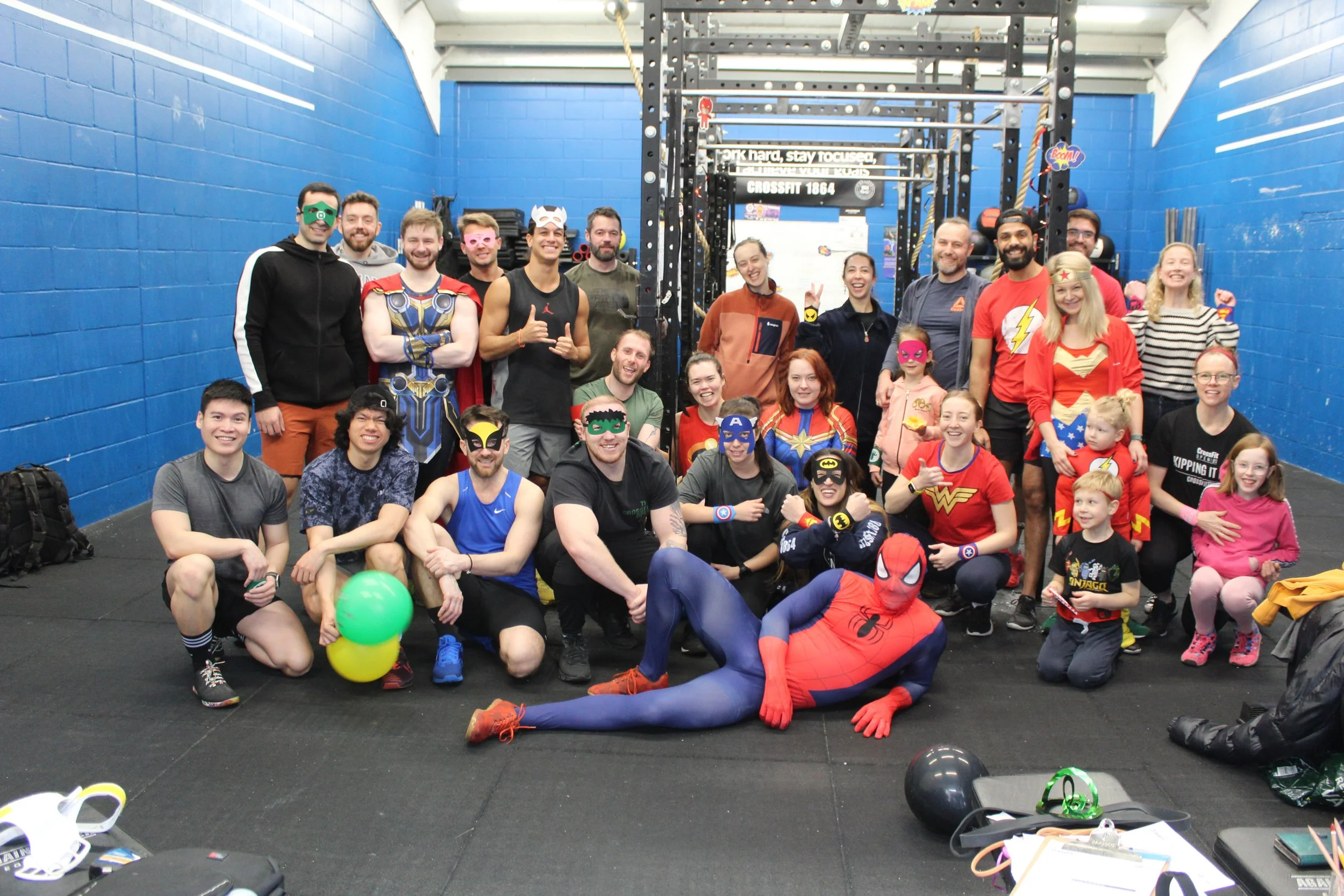
Every year, something unusual happens.
Hundreds of thousands of ordinary people do something extraordinary.
Not because they are elite.
Not because they are trying to win.
But because they decide to show up.
That’s the CrossFit Open.
Let’s unpack what it is, why it matters, what movements keep showing up, and what we can expect from the 2026 season.
What Is the CrossFit Open?
The CrossFit Open is a three week global competition organized by CrossFit.
But calling it a competition misses the point.
It’s a shared test.
For three consecutive weeks, one workout is released each week. Affiliates around the world perform that workout. Scores are submitted online. A leaderboard forms. And suddenly, you are part of something much bigger than your local gym.
It is the first stage on the road to the CrossFit Games. The elite chase qualification. The rest of us chase something more personal.
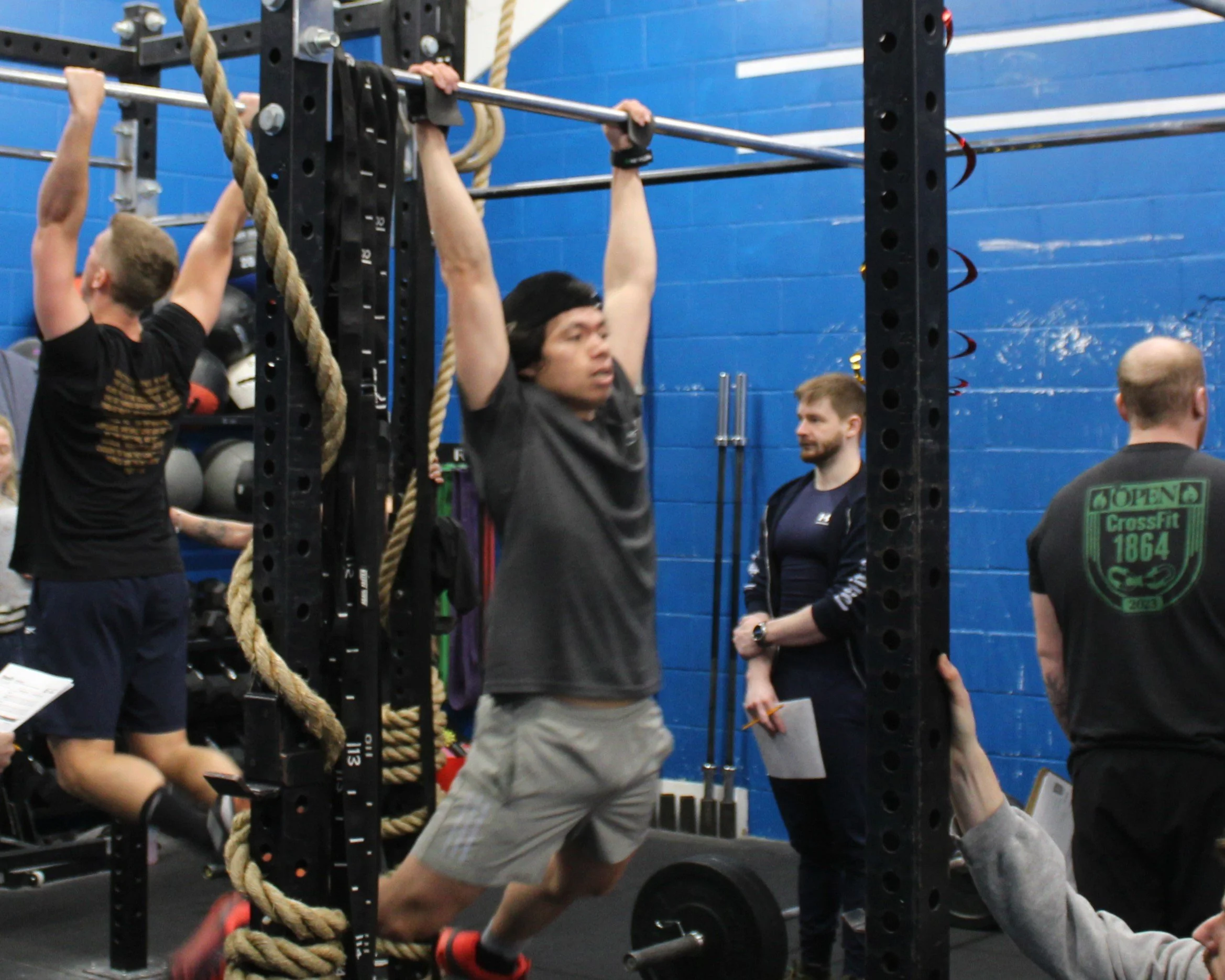
A first pull up.
A heavier clean.
Finishing a workout we once would have avoided.
The Open democratizes the arena. It says: you belong here.
You do not need to be ready.
You just need to be willing.
Why Is the Open So Special?
Because it creates tension.
And tension creates growth.
The Open compresses emotion into three weeks. There is anticipation on Thursday nights. There is analysis. There is second guessing. There is courage required to press submit.
The workouts are unknown. That matters.
In training, we know the plan. In the Open, we face uncertainty. And uncertainty reveals character.
It is special because:
1. It’s Global
You are not just competing against your gym buddies. You are measured against teachers in Tokyo, firefighters in Toronto, accountants in Amsterdam.
Fitness becomes a shared language.
2. It Creates Stories
Every affiliate has them.
The 55 year old who gets their first bar muscle up on a Friday Night Lights event.
The new member who scales everything but refuses to quit.
The athlete who misses the leaderboard cutoff by one rep and comes back the next year stronger.
The Open manufactures narrative. And narrative fuels identity.
3. It Changes the Way You Train
After your first Open, you train differently.
You notice transitions.
You respect pacing.
You care about gymnastics under fatigue.
The Open exposes gaps. And gaps are invitations.
The Most Common Movements in the Open
The Open is not random chaos. It has patterns.
If you look across previous years, several movements appear again and again.
Here are the staples:
1. Thrusters
The infamous combination of a front squat into a press. Efficient, brutal, elegant.
Thrusters test leg stamina, shoulder endurance, and breathing discipline. They show up because they demand full body coordination.
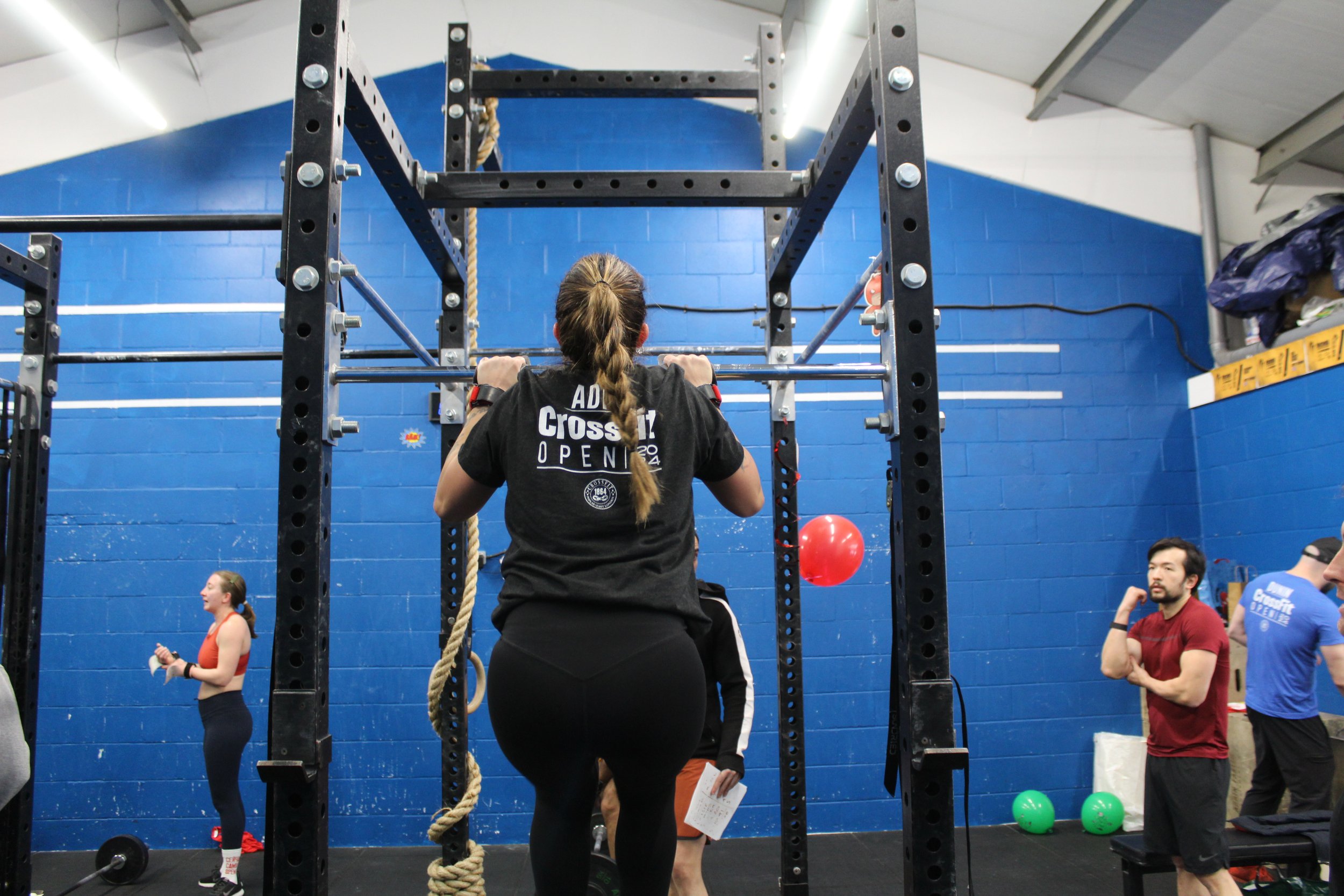
2. Pull Ups
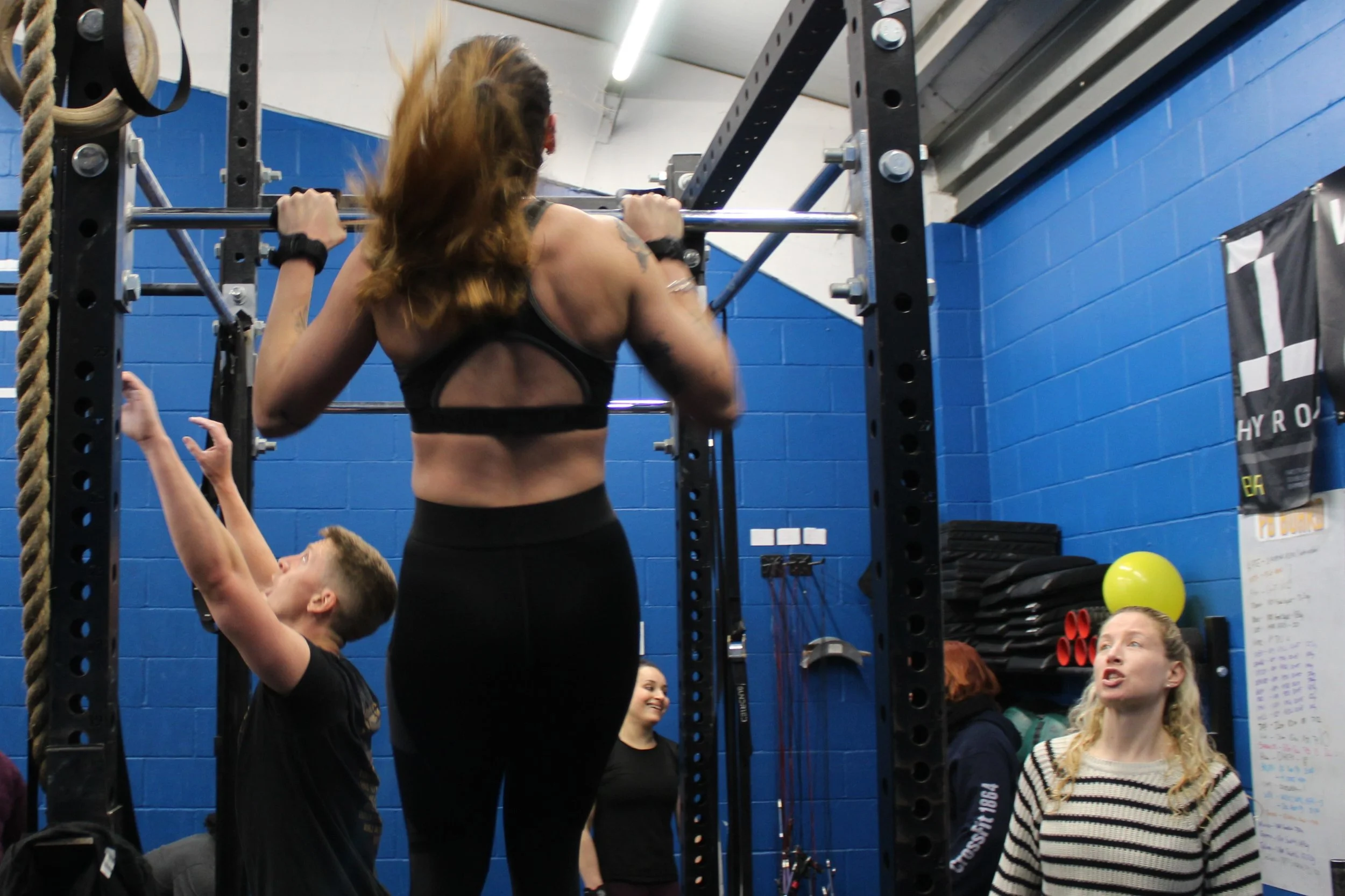
Strict, kipping, chest to bar, muscle ups. Some variation appears nearly every year.
Gymnastics movements test control and capacity relative to bodyweight. They also separate pacing from panic.
3. Deadlifts
Heavy or high volume.
The deadlift is accessible. Almost everyone can lift a barbell from the floor. That makes it inclusive. But when volume climbs, grip and posterior chain endurance become the real challenge.
4. Double Unders
Simple in theory. Ruthless in execution.
Double unders reward rhythm. They punish tension. They create heart rate spikes without external load.
5. Wall Balls
Med ball to a target. Squat. Throw. Repeat.
They combine accuracy, stamina, and mental resilience. The target never moves. You do.
6. Rowing or Cardio Elements
Erg machines like the Concept2 RowErg often appear in Open workouts.
Monostructural conditioning forces athletes to manage output. Go too hard early, and the workout takes revenge later.
The pattern is clear.
The Open favors movements that are:
Simple to judge
Scalable
Highly repeatable
Brutally revealing
The goal is not complexity. It is clarity.
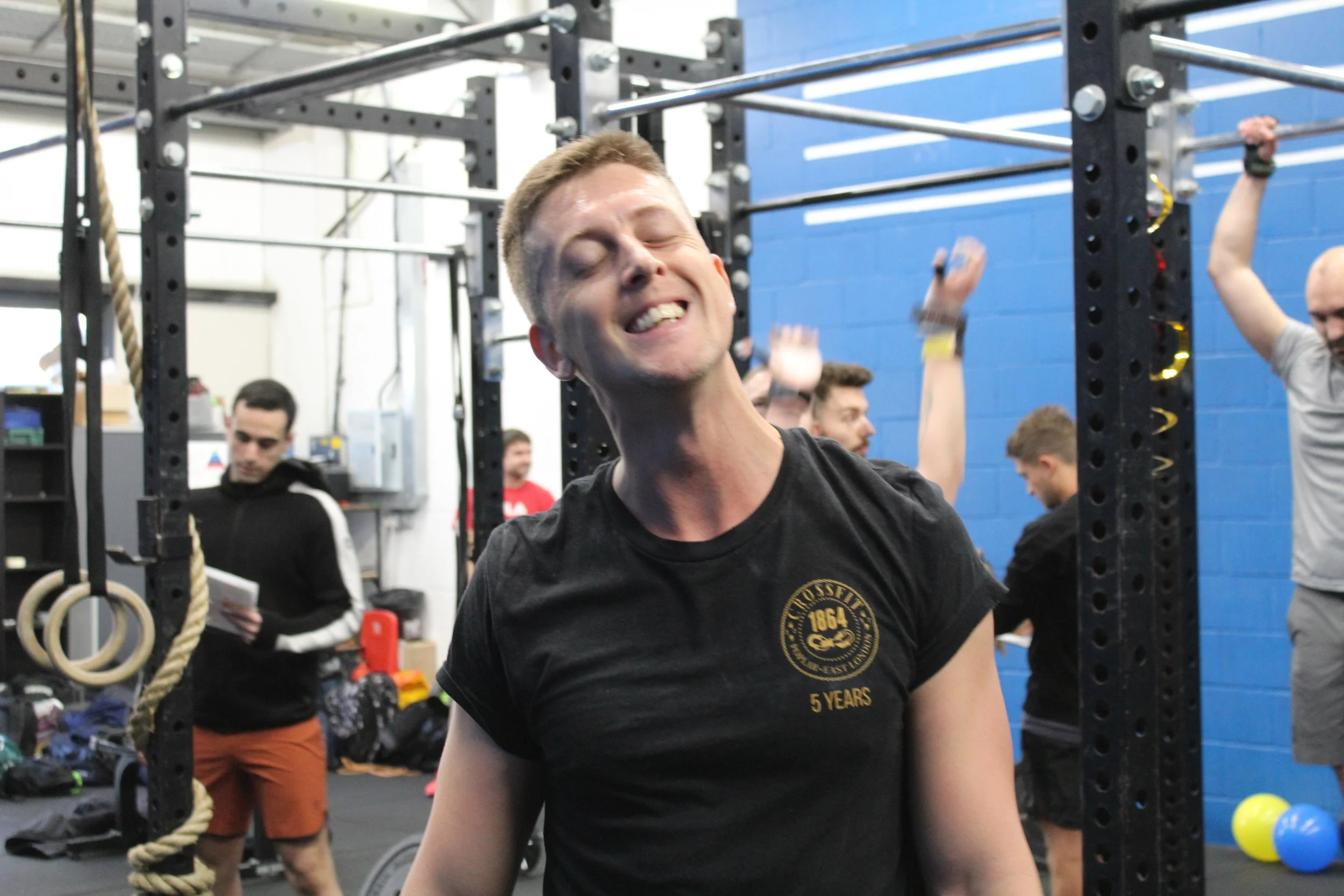
Can you move well under fatigue?
What Should We Expect from the 2026 CrossFit Open?
No one outside of HQ knows for sure.
But we can make educated predictions.
1. Accessible Entry, Escalating Difficulty
The Open always invites participation. The first workout often feels manageable.
Then it climbs.
Expect at least one workout that starts light and simple and finishes heavy or gymnastic heavy.
A classic structure might look like:
Ascending weight
Ascending skill
Decreasing time cap
The Open likes tension curves.
2. A Gymnastics Separator
Every year there is a moment where skill becomes the bottleneck.
Bar muscle ups.
Ring muscle ups.
Handstand push ups.
Expect one workout where high skill gymnastics determines leaderboard movement.
3. Grip and Engine Tests
High volume deadlifts, pull ups, or toes to bar paired with cyclical conditioning are likely.
The Open rewards athletes who can hold on longer than comfort allows.
4. Dumbbells and Simplicity
In recent years, dumbbells have appeared frequently. They are accessible. They level the playing field. They require unilateral stability.
Expect one dumbbell movement in 2026.
5. Time Caps That Matter
The Open often includes tight time caps.
These caps force decision making:
Do you sprint and risk collapse?
Or pace and risk running out of time?
The Open is not just physical. It is strategic.
The Real Expectation
The real prediction for 2026 has nothing to do with movements.
Expect discomfort.
Expect to be surprised by yourself.
Expect to care more than you thought you would.
The Open does not measure how fit you are in absolute terms. It measures who you are when tested publicly.
And that is why it matters.
The CrossFit Open is not about qualifying for the Games. For most of us, it never was.
It is about stepping onto the floor when the spotlight feels slightly brighter.
It is about saying yes to being measured.
It is about discovering that the gap between who you are and who you could be is smaller than you feared.
Three weeks.
One workout at a time.
A global reminder that growth is not accidental. It is chosen.
And every year, when the Open begins again, thousands of people quietly choose to become just a little more capable than they were before.