The Thing They Don't Tell You About GLP-1s (Ozempic, Wegovy, Mounjaro & Saxenda.)
Unless you've been living under a rock, you've heard about them.
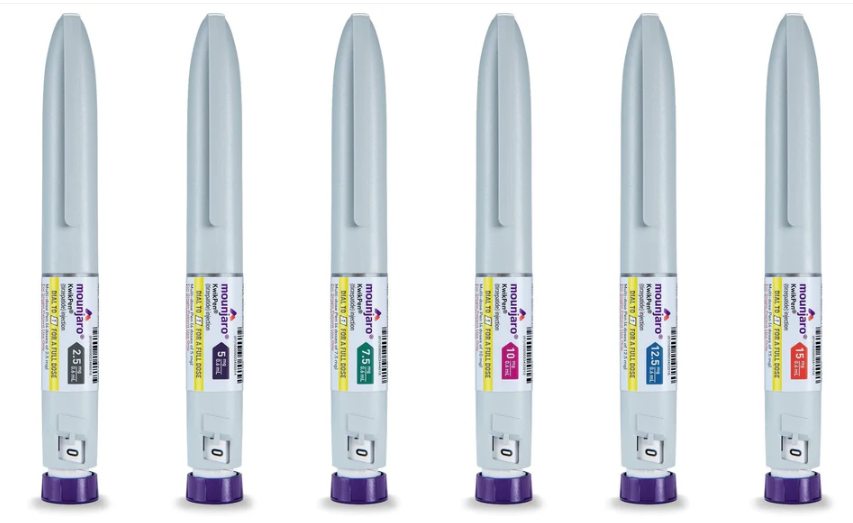
Ozempic. Wegovy. Mounjaro. Saxenda.
The weight loss injections everyone's talking about. The ones celebrities won't admit they're using. The ones your GP might have mentioned at your last check-up.
GLP-1s. Glucagon-like peptide-1 receptor agonists, if you want the full technical name. But let's just call them what they are: appetite suppressors that actually work.
How They Work
Your body naturally produces GLP-1 when you eat. It tells your brain you're full. It slows down how quickly food leaves your stomach. It helps regulate blood sugar.
These medications mimic that hormone. But they do it more powerfully and for longer.
The result? You feel full faster. You stay full longer. You eat less without the constant battle of willpower.
In the UK, the most common ones are:
Ozempic and Wegovy - Same drug (semaglutide), different doses. Ozempic was designed for type 2 diabetes. Wegovy got approved specifically for weight loss. Weekly injection.
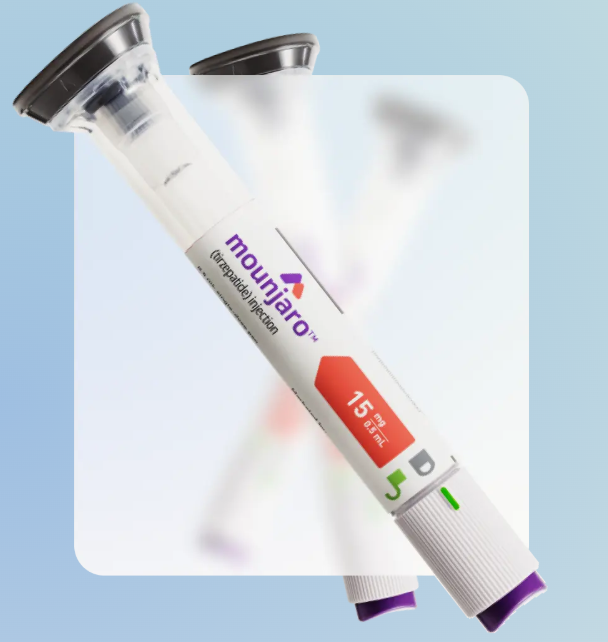
Mounjaro - The newer option (tirzepatide). Works on two hormones instead of one. Many users report better results with fewer side effects. Also weekly.
Saxenda - The older generation (liraglutide). Daily injection, which most people find less convenient. Still prescribed, but being overtaken by the newer options.
They work. The average person loses 10-15% of their body weight. Some lose more. The clinical trials are impressive. The real-world results are impressive.
So what's the problem?
Your doctor prescribed it. You're losing weight. The scale is finally moving in the right direction.
Victory, right?
Not quite.
Here's what's happening while you're celebrating those dropping numbers: you're losing muscle. Lots of it.
Up to 40% of the weight coming off isn't fat. It's the exact tissue you need to keep the weight off permanently.
It's a bit like selling your car to save money on petrol. Technically accurate. Strategically catastrophic.
The Muscle Problem
Muscle is expensive for your body to maintain. It burns calories even when you're sitting at your desk. It's metabolically active tissue that works for you 24/7.
Your body, in its infinite wisdom (or lack thereof), sees an opportunity during rapid weight loss. "We need less energy now," it thinks. "Let's get rid of this expensive muscle tissue."
The medication suppresses your appetite. You eat less. Your body needs fuel. And muscle? Muscle is right there, ready to be broken down for energy.
This is the trap.
You lose 20 kilos. You feel amazing. You stop the medication (because maybe it's too expensive, or you're hitting your goal, or you're experiencing side effects, or a dozen other reasons most people eventually stop).
Then what?
The weight comes back. But it doesn't come back as muscle. It comes back as fat.
You end up lighter than you started, but weaker. Slower metabolism. Higher body fat percentage. Worse off.
Enter CrossFit
Not as an alternative to GLP-1s. As the perfect partner.
Here's why this matters.
CrossFit's methodology - constantly varied functional movements performed at high intensity - does something remarkable. It builds and preserves muscle mass while you're losing weight.
You're lifting. You're moving. You're challenging your body to adapt. And when your body is adapting to physical stress, it can't afford to lose muscle. It needs it.
So while the GLP-1 is helping you eat less, CrossFit is telling your body: "Keep the muscle. We need it. Burn the fat instead."
This is the difference between temporary weight loss and permanent transformation.
The Metabolism You're Building
Think about metabolic rate as your monthly salary. The more you earn, the more you can spend without going broke.
Every kilo of muscle burns approximately 100 calories per day just existing. Fat? About 20 calories per kilo.
When you lose muscle, you're taking a pay cut. When you build muscle, you're getting a raise.
Most people on GLP-1s are unknowingly cutting their metabolic salary. Then they wonder why the weight creeps back when they stop the medication.
CrossFit users are getting raises. Building muscle. Creating bodies that naturally burn more energy.
When you eventually reduce or stop the GLP-1, you're not fighting your metabolism. You've built a better one.
The Insulin Story
Let's talk about why you gained weight in the first place.
For many people, it wasn't just about eating too much. It was about insulin resistance. Your body stopped responding properly to insulin. Blood sugar stayed elevated. Fat got stored. Hunger signals got confused.
GLP-1s help with this. They improve insulin sensitivity. They regulate blood sugar.
But you know what else dramatically improves insulin sensitivity?
High-intensity exercise. Strength training. The exact combination CrossFit delivers.
You're not just treating the symptom (excess weight). You're addressing the root cause (metabolic dysfunction).
This is the difference between a band-aid and actual healing.
The Longevity Equation
Lifespan is how long you live. Healthspan is how long you live well.
GLP-1s might add years to your life through weight loss and improved cardiovascular markers. That's valuable.
But what about the quality of those years?
At 70, will you be able to:
Get up from the floor without help?
Carry your shopping?
Play with grandchildren?
Travel without assistance?
Live independently?
These aren't fitness questions. They're dignity questions.
CrossFit's functional movements - squatting, lifting, pulling, pushing - are the movements of independent living. You're not training for a competition. You're training for life.
The bone density you're building matters when you're older and a fall could mean losing independence.
The cardiovascular capacity matters when you want to travel and explore.
The movement patterns matter when you need to navigate stairs, crowds, uneven terrain.
The muscle mass matters when your body naturally starts losing it with age.
The CrossFit 1864 Difference
Here's where theory meets practice.
You walk into most gyms on GLP-1s, you're invisible. Just another person on the treadmill. Nobody knows your story. Nobody's adjusting the programme for you.
At CrossFit 1864, we see you.
We understand that your appetite is suppressed, which means we need to be extra vigilant about protein intake and recovery.
We know that your energy levels might fluctuate as your body adjusts to the medication.
We scale every workout to your current capacity, not some imaginary future version of you.
We create a community where people on similar journeys support each other without judgment.
And because we work with Canary Wharf professionals, we understand that time is precious and results matter.
The Real Investment
You're already investing in GLP-1s. Hundreds of pounds per month.
You're investing in weight loss.
The question is: are you investing in what comes after?
Because the medication will eventually stop. Either by your choice or circumstances beyond your control.
The muscle you build? That's yours. Forever.
The metabolic improvements? Those persist.
The movement patterns, the strength, the community, the habits? They compound over time.
CrossFit isn't competing with your GLP-1 prescription. It's protecting your investment in it.
The Choice
You can use GLP-1s alone and hope the weight stays off.
Or you can use them as a tool while simultaneously building the body and habits that make keeping weight off inevitable.
One is a gamble. The other is a strategy.
GLP-1s suppress your appetite. CrossFit builds your future.
The medication helps you lose weight. CrossFit helps you keep it off.
You're already doing the hard part - committing to change.
Now do the smart part. Build the muscle, metabolism, and habits that make the change permanent.
That's what we do at CrossFit 1864.