How to Pace an Open Workout (Without Blowing Up at Minute 4)
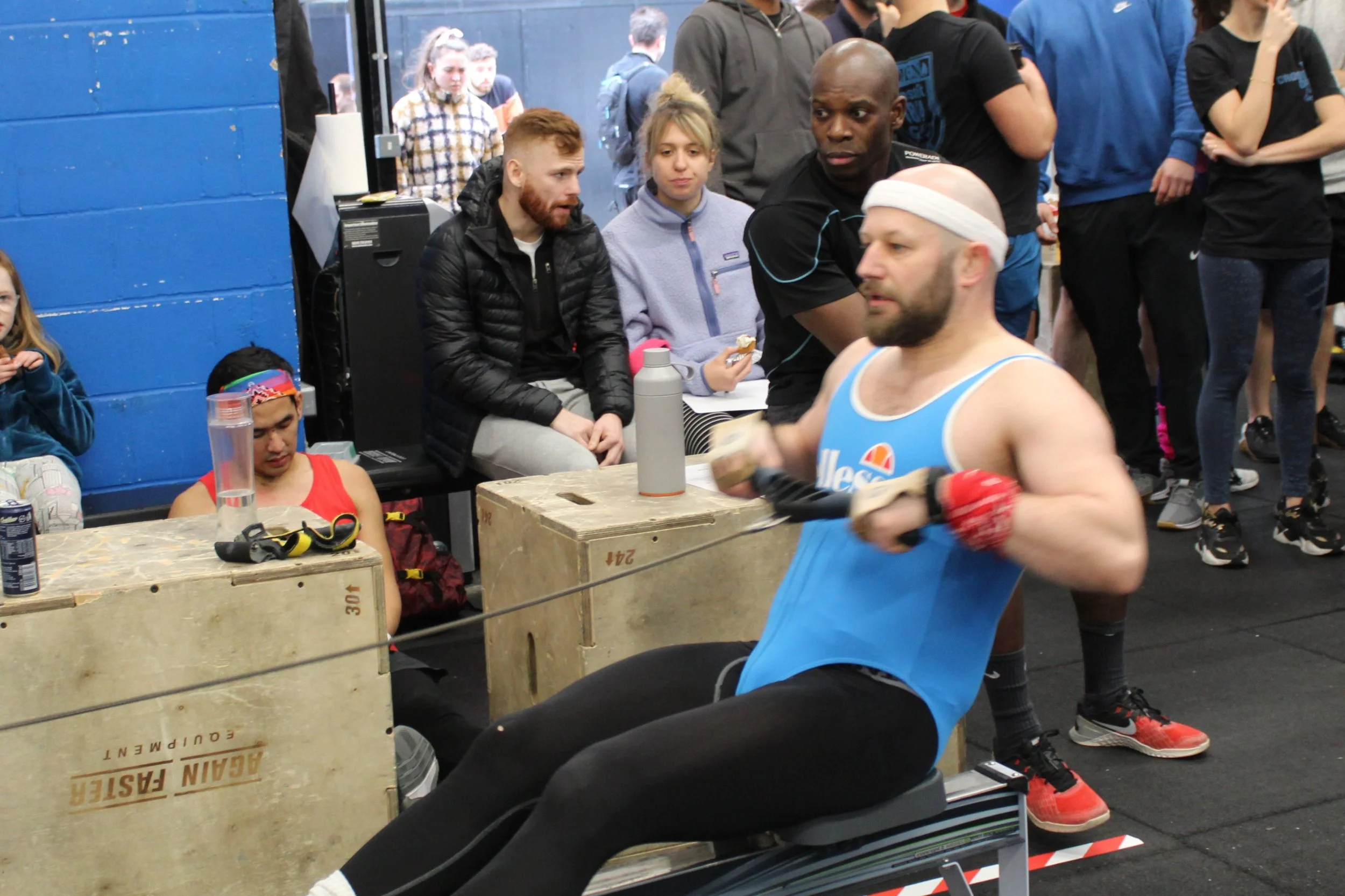
The first round lies to you.
It feels light.
It feels fast.
It feels like you’ve finally become the athlete you imagined.
And then minute four arrives.
The lungs tighten. The legs go wooden. The barbell, once friendly, develops opinions.
Pacing in the CrossFit Open isn’t about fitness. It’s about restraint. And restraint is rare.
Especially on a Saturday morning when the music is louder, your friends are watching, and someone just shouted, “Let’s go!”
Let’s talk about how not to turn the first three minutes into a regret.
Adrenaline Is a Terrible Coach
Open workouts come with atmosphere.
Whiteboards. Heat sheets. Applause. That tiny flutter in your stomach.
Adrenaline makes everything feel easier at the start. Your heart rate climbs but doesn’t complain. The first set of thrusters feels suspiciously smooth. Double unders snap perfectly.
This is the trap.
Adrenaline borrows energy from the future. It hands it to you early. And it charges interest.
If you sprint the first round because it feels “good,” you are negotiating with a version of yourself who hasn’t arrived yet. That version will not be impressed.
Rule one:
If it feels easy, you’re probably going too fast.
The First Round Should Feel Boring
Boring is powerful.
If the first round feels controlled, almost conservative, you’re pacing correctly.
In most Open workouts, the goal is not to win the first two minutes. The goal is to still be moving efficiently in the final two minutes.
That means:
Smooth reps
Unbroken sets that are realistic, not heroic
Breathing before you need it
You should finish round one thinking, “I could do that again.”
Because you’ll have to.
Transitions Are Free Reps
Most people lose the Open in the spaces between movements.
They stare at the bar.
They adjust plates twice.
They walk in slow circles after wall balls.
Transitions are where calm athletes steal time.
Decide before the workout:
Where will you stand after each movement?
How many steps between stations?
When do you chalk?
Planning removes panic.
Panic wastes seconds. Seconds become reps. Reps become regret.
The fittest athlete doesn’t always win the Open workout. The most organized one often does.
Leave One Rep in the Tank
There’s a simple pacing principle that works beautifully in Open workouts:
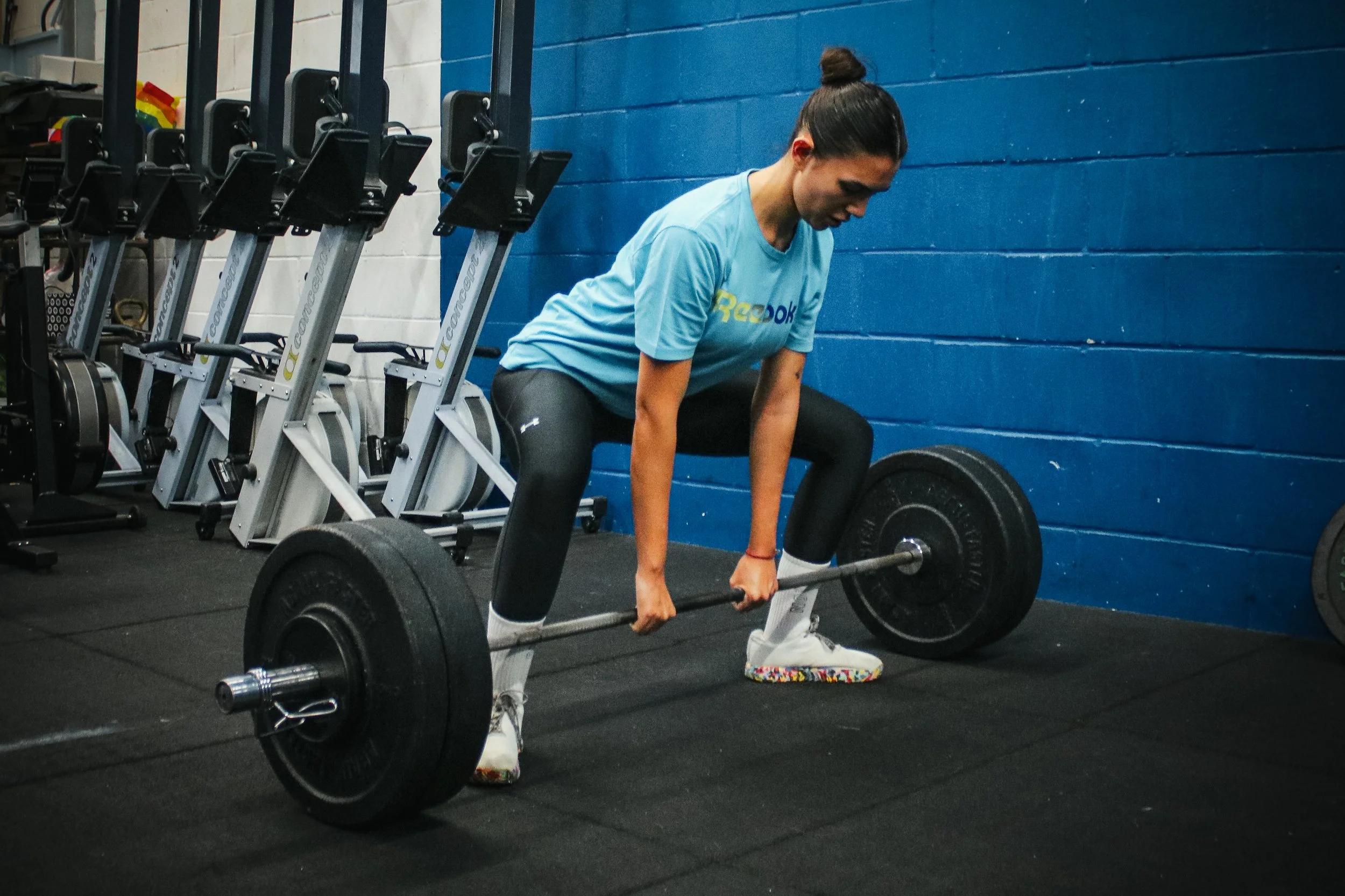
Never go to failure early.
If a set of 15 pull ups feels possible but risky, break it into 8 and 7. Or 5, 5, 5. Keep the rhythm alive.
Going to failure forces long rest. Long rest kills momentum. And momentum is oxygen in a timed workout.
Especially for normal people training three or four times a week, muscular failure is expensive. Recovery is slower. Grip fades fast. Shoulders lock up.
Smart pacing respects sustainability.
You are not trying to prove toughness in minute three.
You are trying to still have options in minute ten.
Breathe Like It Matters
Because it does.
Breathing is pacing.
Most people hold their breath during difficult reps. Thrusters become suffocating. Deadlifts turn into silent battles.
Instead:
Exhale at the top of each rep
Take one conscious breath before picking up the bar
Step away for two breaths, not twenty
Breath creates control. Control creates consistency.
Consistency beats chaos.
Know Who You Are
Before the workout starts, ask yourself:
Am I an engine athlete?
Am I stronger than I am conditioned?
Do I fade late or explode early?
Self awareness is pacing intelligence.
If you know you tend to sprint, force yourself to hold back. If you know you start slow and finish strong, give yourself permission to build gradually.
The Open rewards athletes who understand their own patterns.
You are not competing against the leaderboard on Saturday morning.
You are competing against your habits.
The Saturday Morning Reality
At your gym, these aren’t professional athletes.
They’re parents. Shift workers. People who squeezed in training between meetings all year.
The goal is not perfection.
The goal is execution.
Execution means:
Starting controlled
Moving well
Avoiding the dramatic crash
Finishing strong feels better than starting strong.
And here’s the secret: the crowd gets louder at the end, not the beginning.
The Final Two Minutes
Every Open workout has a moment.
The clock is ticking. Fatigue is real. Your brain starts negotiating.
“This is enough.”
“You’ve done well.”
“Drop the bar.”
This is where pacing pays off.
If you managed your effort early, you now have something left. Maybe not much. But something.
That something becomes three more reps.
Or one more round.
Or the difference between pride and frustration.
The Open is rarely won in the first half. It is decided in the final stretch.
The Real Win
Pacing isn’t glamorous.
No one applauds restraint in round one.
But pacing is maturity. It’s confidence without noise. It’s knowing you don’t need to prove anything in the first minute.
When you walk into your next Open workout, remember:
The first round lies.
Adrenaline borrows.
Transitions matter.
Failure is expensive.
Breathing is strategy.
Move like someone who plans to still be fighting at the end.
That’s how you avoid blowing up at minute four.
And that’s how Saturday morning becomes something you’re proud of, not something you survived.