What Is Functional Fitness and Why Does It Matter?
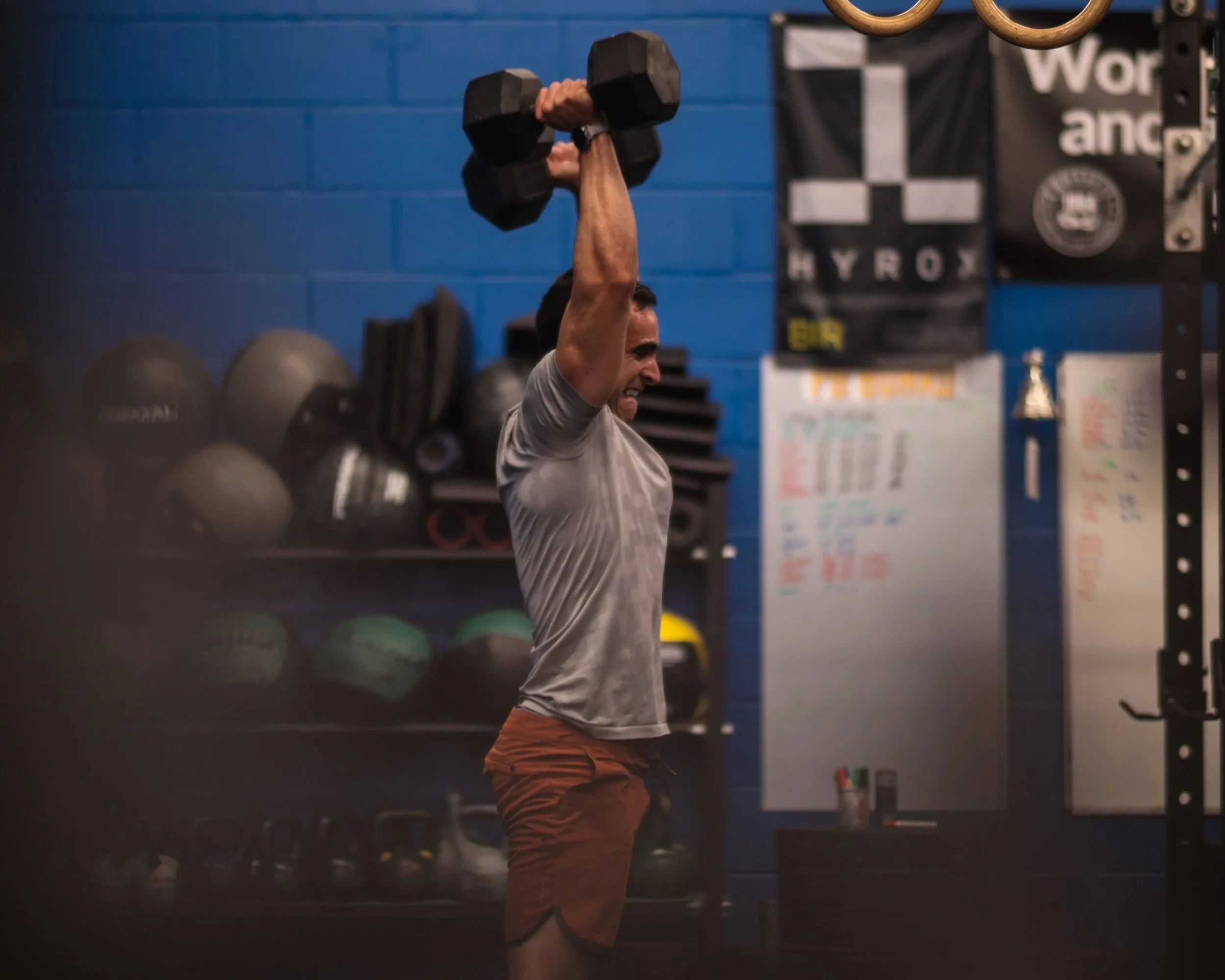
Functional fitness gets talked about a lot, but rarely explained well.
Most people hear the term and assume it’s just another fitness trend. A new label. A marketing phrase. Something gyms say instead of just calling it training.
In reality, functional fitness is one of the oldest and most practical approaches to movement there is.
And for most people, it’s exactly what they need.
What functional fitness actually means
Functional fitness is about training movements that transfer directly to real life.
Not machines.
Not isolated muscles.
Not exercises done lying or sitting down for the sake of it.
Instead, functional fitness focuses on patterns the body uses every day:
Squatting
Hinging
Pushing
Pulling
Carrying
Rotating
Stabilising
These movements show up everywhere. Picking something up. Standing from a chair. Carrying shopping. Reaching overhead. Moving with control under load.
Functional fitness trains the body to do those things well.
Why functional fitness matters more than you think
Most people don’t get injured doing extreme things.
They get injured doing normal things poorly.
Tweaking a back picking something up.
Knee pain walking upstairs.
Shoulder pain reaching overhead.
Functional fitness builds strength, coordination, and control through full ranges of motion. That’s what protects the body long term.
It’s not about looking athletic.
It’s about being capable.
Functional fitness vs traditional gym training
Traditional gym training often focuses on:
Machines
Fixed movement paths
Isolated muscles
Seated or supported positions
That can build muscle, but it doesn’t always build usable strength.
Functional fitness is different.
It prioritises:
Free movement
Full-body coordination
Core stability
Balance and control
Strength that transfers outside the gym
The goal isn’t just to lift weight.
It’s to move well while lifting weight.
Is functional fitness only for athletes?
No. And that’s a common misunderstanding.
Functional fitness is for:
Beginners starting from zero
Busy professionals with limited time
People returning to training after years away
Anyone who wants to move better and feel stronger
Athletes preparing for events like HYROX or hybrid races
Because movements are scalable, functional fitness adapts to the individual.
That’s the key difference.
Why functional fitness works so well for beginners
Beginners don’t need complexity.
They need clarity and progression.
Functional fitness starts with basic movements and builds gradually:
Bodyweight first
Light loads
Clear coaching
Focus on technique
As confidence grows, intensity increases naturally.
This makes functional fitness one of the safest and most effective ways to start training, especially when it’s coach-led.
Functional fitness in real life
The biggest benefits of functional fitness often show up outside the gym.
People notice:
Less back pain
Better posture
More energy
Improved balance
Greater confidence in daily tasks
For many, the win isn’t a personal best.
It’s feeling capable again.
That’s why functional fitness matters.
Functional fitness in Canary Wharf & Poplar
Many people training in Canary Wharf, Poplar, Blackwall, and East India live busy, desk-heavy lives.
Functional fitness works particularly well in that context because:
Sessions are efficient
Movements are purposeful
Strength and conditioning are combined
Coaching keeps things safe and structured
You train what actually supports your life, not just what looks good on paper.
How this fits into what we do
At CrossFit 1864, functional fitness is the foundation behind:
CrossFit training
Beginner programmes
Hybrid training
HYROX preparation
Long-term health and resilience
It’s not a separate class or trend.
It’s the base layer everything else is built on.
If you want a deeper breakdown of how we apply this in practice, you can read more about our functional fitness training in Canary Wharf & Poplar on our main page.
Why functional fitness is worth committing to
Fitness shouldn’t feel random.
Functional fitness gives structure, purpose, and direction to training. It builds a body that supports your life now and in the future.
Not flashy.
Not complicated.
Just effective.
And that’s why it works.