Why Strength Training Matters More After 40
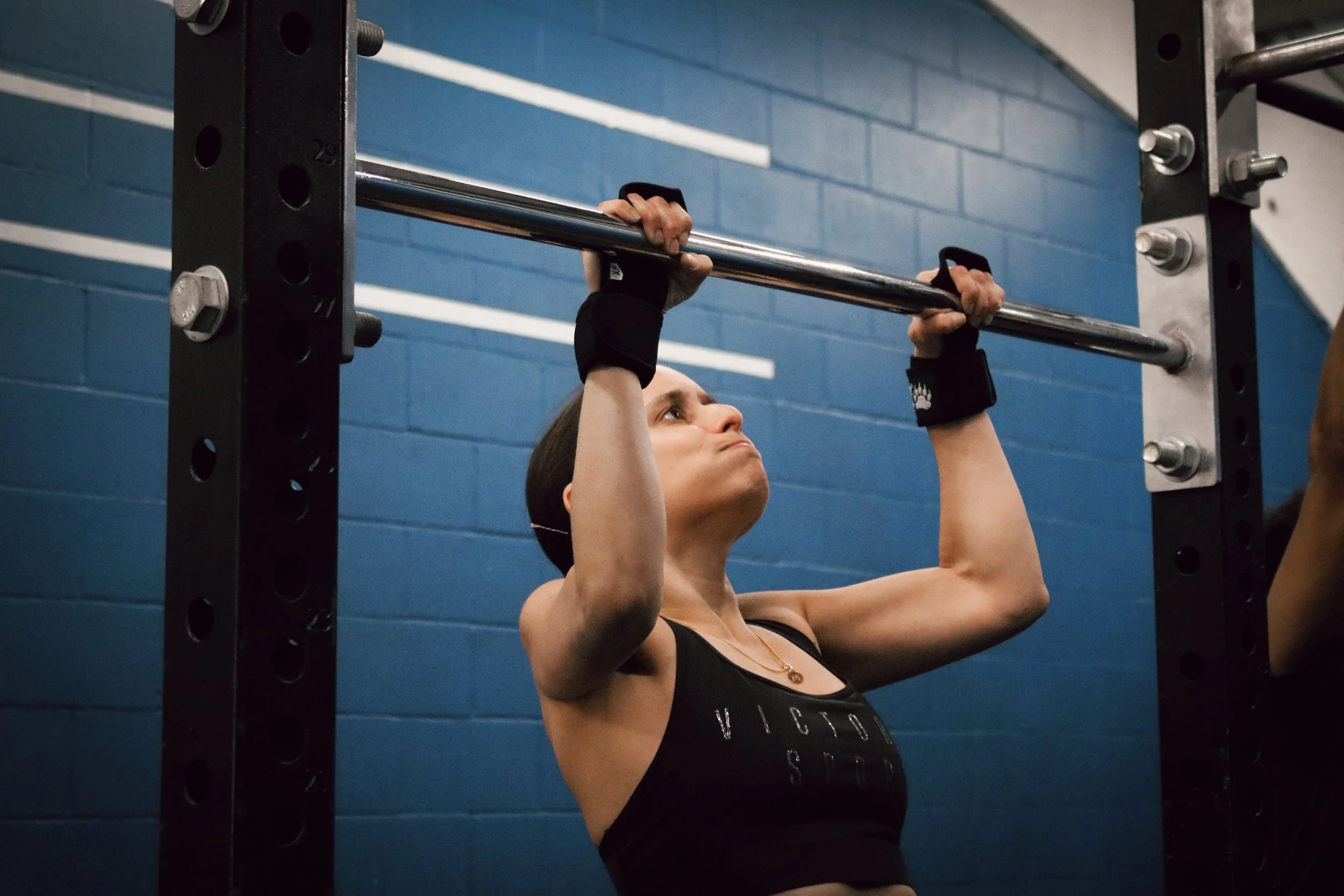
If there’s one thing that becomes non-negotiable after 40, it’s strength training.
Not as a trend.
Not for aesthetics.
But as a foundation for how your body works.
Most people over 40 don’t struggle because they lack cardio. They struggle because they’ve slowly lost strength and didn’t notice it happening.
What strength actually does after 40
Strength training isn’t just about muscles.
It supports:
Joint stability
Bone density
Posture
Balance
Metabolism
Confidence in movement
Without strength, everything else feels harder. Walking feels heavier. Stairs feel steeper. Recovery feels slower.
With strength, the body feels capable again.
Muscle loss is subtle, but it matters
After 40, muscle mass can decline if it’s not trained.
Not dramatically.
Quietly.
That loss shows up as:
Lower energy
Easier weight gain
Achy joints
Feeling “weaker” without knowing why
Strength training reverses that process. It tells the body: this tissue is needed. The body responds.
Cardio alone isn’t enough anymore
Cardio is important.
But cardio doesn’t:
Build muscle
Protect joints
Maintain bone density
Over 40, relying only on cardio often leads to:
Overuse injuries
Persistent aches
Plateaus
Strength training creates the base that allows cardio to be effective and sustainable.
Strength protects joints, not harms them
A common fear is that lifting weights is risky after 40.
In reality, poorly coached or ego-driven lifting is risky at any age.
Well-coached strength training:
Strengthens muscles around joints
Improves movement control
Reduces injury risk
Builds confidence
Avoiding strength training often leads to weaker joints, not safer ones.
You don’t need to lift heavy to get strong
Strength training after 40 isn’t about chasing max lifts.
It’s about:
Appropriate loads
Good technique
Consistent exposure
Gradual progression
Squats, hinges, presses, pulls, carries.
Simple movements, done well.
That’s enough to change how the body feels and performs.
Why strength improves everything else
When strength improves:
Conditioning feels easier
Running feels lighter
Daily tasks feel manageable
Recovery improves
Strength gives the body options.
Without it, fitness becomes fragile.
Strength training and long-term independence
One of the most important benefits of strength training after 40 is independence.
Strength supports:
Getting up and down easily
Carrying weight safely
Preventing falls
Staying confident in movement
These aren’t gym goals.
They’re life goals.
Why coached strength training works best after 40
After 40, the margin for error is smaller.
Coaching helps ensure:
Loads match ability
Movements are scaled
Technique is corrected early
Progress is planned
This is why functional fitness and properly coached CrossFit-style training are so effective for people over 40. Same system. Adjusted intelligently.
Strength first, everything else follows
If you’re over 40 and unsure where to focus, start here.
Build strength.
Protect movement.
Train consistently.
Everything else becomes easier once that foundation is in place.
Can You Transform Your Body After 40?
Why Fitness “Rules” Don’t Work After 40
Exercise Over 40: How to Train for Strength, Health, and Longevity
Is 40 Too Late to Get Into Shape?